

Hooks are a new addition in React 16.8. They let you use state and other React features without writing a class.
前言
楼主最近在整理 React Hooks 的一些资料,为项目重构作准备,下午整理成了这篇文章。
如果之前没接触过相关概念,那么通过这篇文章, 你将会了什么是React Hooks , 它是做什么的 , 以及如何使用。
下面我会用一个具体的例子来说明, 通过这个例子, 你将了解:
- 如何使用
React Hooks - 如何用
React Class components实现同样的逻辑
快速开始
先快速搭建一个项目:
npx create-react-app exploring-hooks
Demo in setState
1import React, { Component } from "react";
2
3export default class Button extends Component {
4  state = { buttonText: "Click me, please" };
5
6  handleClick = () => {
7    this.setState(() => {
8      return { buttonText: "Thanks, been clicked!" };
9    });
10  };
11
12  render() {
13    const { buttonText } = this.state;
14    return <button onClick={this.handleClick}>{buttonText}</button>;
15  }
16}
功能非常简单: 点一下按钮, 就更新 button 的 text。
Demo in Hooks
这里,我们将不再使用 setState 和 ES6 Class. 轮到我们的Hooks登场了:
import React, { useState } from "react";
引入 useState 就意味着我们将要把一些状态管理置于组件内部, 而且我们的 React Component 将不再是一个 ES6 class, 取而代之的是一个简单的纯函数。
引入 useState 之后,我们将从中取出一个含有两个元素的数组:
const [buttonText, setButtonText] = useState("Click me, please");
如果对这个语法有疑问, 可以参考 ES6 解构.
这两个值的名字, 你可以随意取, 和 React 无关,但是还是建议你根据使用的目的取一个足够具体和清晰的名字。
就比如上面写的, 一个代表是 buttonText 的 值, 另一个代表是 setButtonText 的 更新函数。
给 useState 传入的是一个初始值, 比如, 这个按钮的最初要显示的是: Click me, please。
这个简单的例子的代码全貌:
1import React, { useState } from "react";
2
3export default function Button() {
4  const [buttonText, setButtonText] = useState("Click me, please");
5
6  function handleButtonClick() {
7    return setButtonText("Thanks, been clicked!");
8  }
9
10  return <button onClick={handleButtonClick}>{buttonText}</button>;
11}
下面我们将介绍如何使用 Hooks 获取数据。
使用 React Hooks 获取数据
在这之前, 我们都是在 componentDidMount 函数里调API:
1import React, { Component } from "react";
2
3export default class DataLoader extends Component {
4
5state = { data: [] };
6
7  async componentDidMount() {
8    try {
9      const response = await fetch(`https://api.coinmarketcap.com/v1/ticker/?limit=10`);
10      if (!response.ok) {
11        throw Error(response.statusText);
12      }
13      const json = await response.json();
14      this.setState({ data: json });
15    } catch (error) {
16      console.log(error);
17    }
18  }
19
20  render() {
21    return (
22      <div>
23        <ul>
24          {this.state.data.map(el => (
25            <li key={el.id}>{el.name}</li>
26          ))}
27        </ul>
28      </div>
29    );
30  }
31}
这种代码大家想必都非常熟悉了, 下面我们用 Hooks 来重写:
1import React, { useState, useEffect } from "react";
2
3export default function DataLoader() {
4  const [data, setData] = useState([]);
5
6  useEffect(() => {
7    fetch("http://localhost:3001/links/")
8      .then(response => response.json())
9      .then(data => setData(data));
10  });
11
12  return (
13    <div>
14      <ul>
15        {data.map(el => (
16          <li key={el.id}>{el.title}</li>
17        ))}
18      </ul>
19    </div>
20  );
21}
运行一下就会发现,哎呦, 报错了, 无限循环:
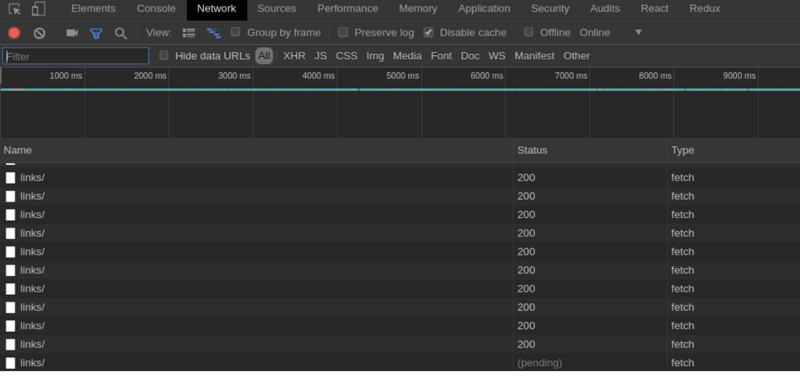
原因其实也非常简单, useEffect 存在的目的 和componentDidMount, componentDidUpdate, and componentWillUnmount是一致的, 每次state 变化 或者 有新的props 进来的时候,componentDidUpdate componentDidUpdate` 都会执行。
要解决这个 "bug" 也非常简单, 给 useEffect 传入一个空数组作为第二个参数:
1useEffect(() => {
2    fetch("http://localhost:3001/links/")
3      .then(response => response.json())
4      .then(data => setData(data));
5  },[]); // << super important array
关于 Hook 的详细信息可以参考: Using the Effect Hook
看到这你可能会按捺不住内心的小火苗,要去重构项目,个人还不建议这么做,因为接下来的几个版本中可能会有变化, 就像Ryan Florence 建议的:
Hooks are not the endgame for React data loading.
Data loading is probably the most common effect in an app.
Don't be in a big hurry to migrate to hooks for data unless you're okay migrating again when suspense for data is stable.
Own your churn.
无论怎么说, useEffect 的出现还是一件好事。
能把 Hooks 用于 Render props 吗
能显然是能的, 不过没什么意义, 比如把上面的代码改一下:
1import React, { useState, useEffect } from "react";
2
3export default function DataLoader(props) {
4  const [data, setData] = useState([]);
5
6  useEffect(() => {
7    fetch("http://localhost:3001/links/")
8      .then(response => response.json())
9      .then(data => setData(data));
10  }, []);
11
12  return props.render(data)
13}
从外部传入一个render即可, 但是这样做毫无意义: Reack Hooks 本身就是为了解决组件间逻辑公用的问题的。
定义你的 React Hook
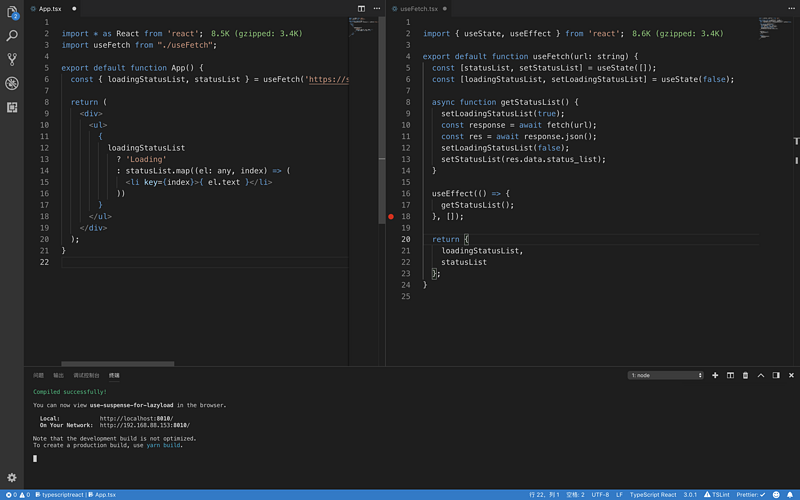
还是上面的例子,我们把取数据的逻辑抽出来:
1// useFetch.tsx
2import { useState, useEffect } from "react";
3
4export default function useFetch(url) {
5  const [data, setData] = useState([]);
6
7  useEffect(() => {
8    fetch(url)
9      .then(response => response.json())
10      .then(data => setData(data));
11  }, [] );
12
13  return data;
14}
15
在其他组件中引用:
1import React from "react";
2import useFetch from "./useFetch";
3
4export default function DataLoader(props) {
5  const data = useFetch("http://localhost:3001/links/");
6  return (
7    <div>
8      <ul>
9        {data.map(el => (
10          <li key={el.id}>{el.title}</li>
11        ))}
12      </ul>
13    </div>
14  );
15}
React Hooks 的本质
上面我们说到 Reack Hooks 本身就是为了解决组件间逻辑公用的问题的。
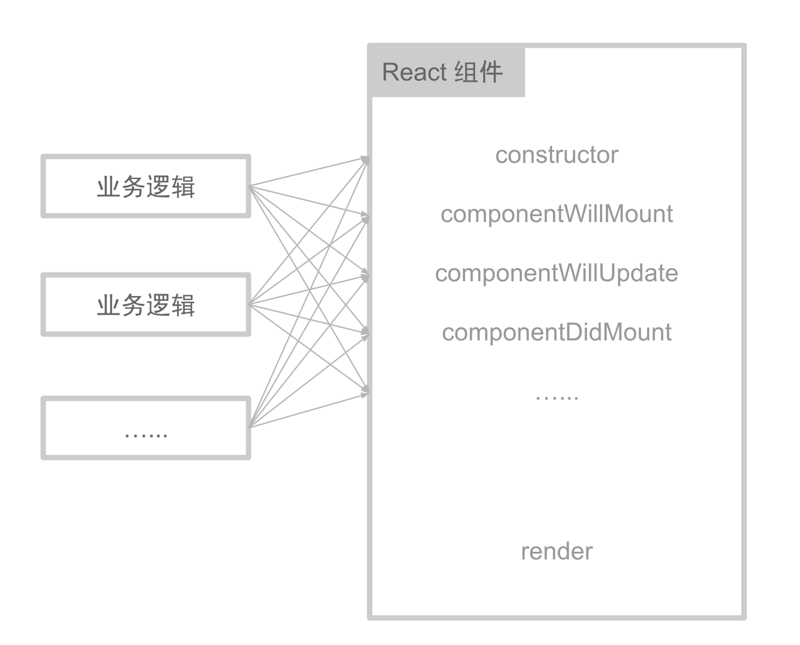
回顾我们现在的做法,几乎都是面向生命周期编程:
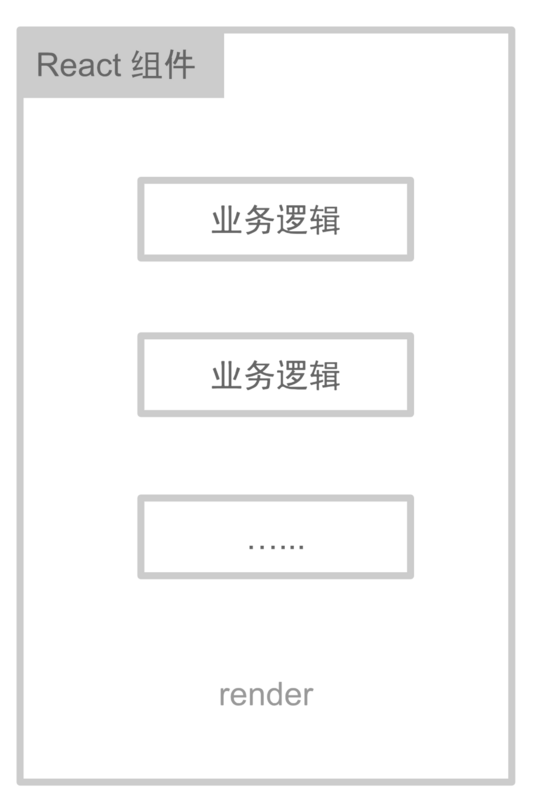
Hooks 的出现是把这种面向生命周期编程变成了面向业务逻辑编程,让我们不用再去关注生命周期:
而且, 最新的React 中, 预置了大量的Hooks, 最重要两个的就是: useState and useEffect.
useState 使我们在不借助 ES6 class 的前提下, 在组件内部使用 state 成为可能。
useEffect 取代了 componentDidMount, componentDidUpdate, and componentWillUnmount, 提供了一个统一的API。
除了这两个之外, 可以在官方文档中了解更多:
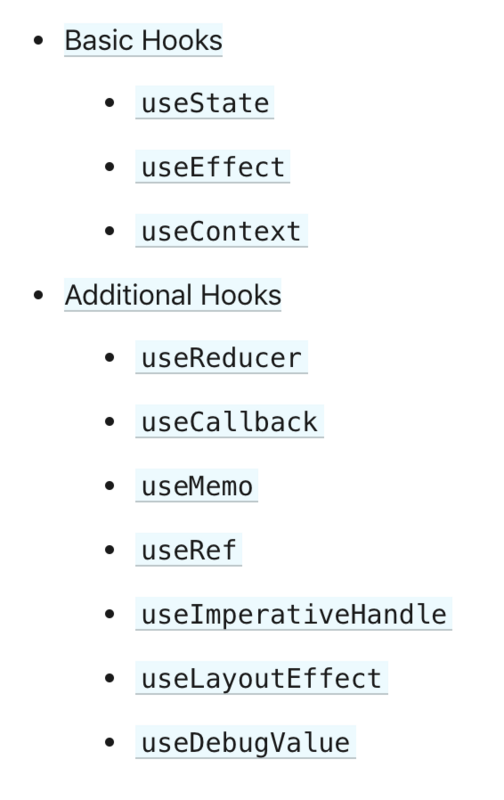
一个显而易见的事实是, 过不来了多久, 我们就会有三种创建React components 的姿势:
- functional components
- class components
- functional components with hooks
作为一个 React 忠实粉丝, 看到这些积极的变化实在是令人感到愉悦。
Hooks 更多学习资源
还有很多帮助我们更好的学和掌握 React Hooks, 也在这里分享一下:
首先还是官方文档: Introducing Hooks, Hooks at a Glance 是稍微深入一些的内容。
然后是一个入门教程: Build a CRUD App in React with Hooks.
关于状态管理, 还有一个比较有趣的文章: useReducer, don't useState
比较有意思的是, 我们最后会大量使用 useReducer, 形势和 Redux 非常类似:
1function reducer(state, action) {
2  const { past, future, present } = state
3  switch (action.type) {
4    case 'UNDO':
5      const previous = past[past.length - 1]
6      const newPast = past.slice(0, past.length - 1)
7      return {
8        past: newPast,
9        present: previous,
10        future: [present, ...future],
11      }
12    case 'REDO':
13      const next = future[0]
14      const newFuture = future.slice(1)
15      return {
16        past: [...past, present],
17        present: next,
18        future: newFuture,
19      }
20    default:
21      return state
22  }
23}
24
这也从侧面证明了Redux 在社区中的影响力( 其实这两个东西的核心开发者是同一个人 )。
总结
- Hooks 的出现简化了逻辑,把面向生命周期编程变成了面向业务逻辑编程,为逻辑复用提供了更多可能。
- Hooks 是未来的方向。
大概就是这些, 希望能对大家有些启发和帮助。
才疏学浅,行文若有纰漏,还请各位大大帮忙指正, 谢谢。
本文同步分享在 博客“皮小蛋”(SegmentFault)。
如有侵权,请联系 support@oschina.cn 删除。
本文参与“OSC源创计划”,欢迎正在阅读的你也加入,一起分享。