
Writing bool queries
Version:5.x
英文原文地址:Writing bool queries
在使用查询 DSL 时,编写 bool 查询会很容易把代码变得冗长。举个栗子,使用一个包含两个 should 子句的 bool 查询
1var searchResults = this.Client.Search<Project>(s => s
2    .Query(q => q
3        .Bool(b => b
4            .Should(
5                bs => bs.Term(p => p.Name, "x"),
6                bs => bs.Term(p => p.Name, "y")
7            )
8        )
9    )
10);
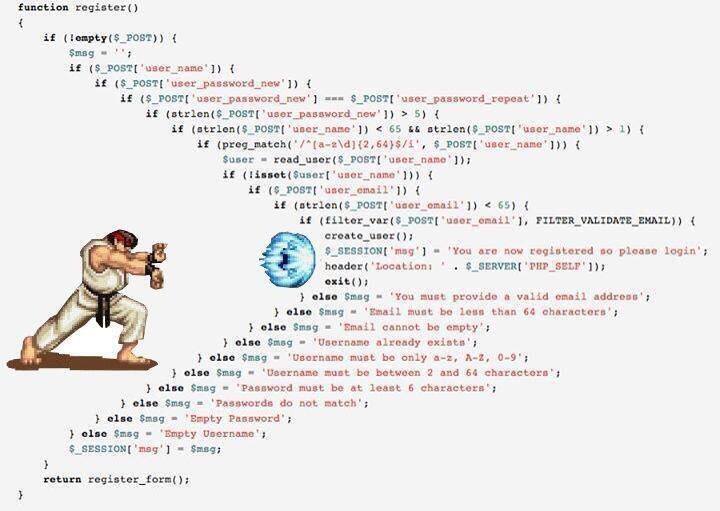
现在设想多层嵌套的 bool 查询,你会意识到这很快就会成为一个 hadouken(波动拳) 缩进的练习
Operator overloading
由于这个原因,NEST 引入了运算符重载,使得更容易去编写复杂的 bool 查询。这些重载的运算符是:
我们会示例来演示这几个运算符
Binary || operator
使用重载的二元 || 运算符,可以更简洁地表达含有 should 子句的 bool 查询
之前哈杜根的栗子现在变成了 Fluent API 的样子
1var firstSearchResponse = client.Search<Project>(s => s
2    .Query(q => q
3        .Term(p => p.Name, "x") || q
4        .Term(p => p.Name, "y")
5    )
6);
使用 Object Initializer 语法
1var secondSearchResponse = client.Search<Project>(new SearchRequest<Project>
2{
3    Query = new TermQuery { Field = Field<Project>(p => p.Name), Value = "x" } ||
4            new TermQuery { Field = Field<Project>(p => p.Name), Value = "y" }
5});
两者都会生成如下 JSON 查询 DSL
1{
2  "query": {
3    "bool": {
4      "should": [
5        {
6          "term": {
7            "name": {
8              "value": "x"
9            }
10          }
11        },
12        {
13          "term": {
14            "name": {
15              "value": "y"
16            }
17          }
18        }
19      ]
20    }
21  }
22}
Binary && operator
重载的二元 && 运算符用于将多个查询组合在一起。当要组合的查询没有应用任何一元运算符时,生成的查询是一个包含 must 子句的 bool 查询
1var firstSearchResponse = client.Search<Project>(s => s
2    .Query(q => q
3        .Term(p => p.Name, "x") && q
4        .Term(p => p.Name, "y")
5    )
6);
使用 Object Initializer 语法
1var secondSearchResponse = client.Search<Project>(new SearchRequest<Project>
2{
3    Query = new TermQuery { Field = Field<Project>(p => p.Name), Value = "x" } &&
4            new TermQuery { Field = Field<Project>(p => p.Name), Value = "y" }
5});
两者都会生成如下 JSON 查询 DSL
1{
2  "query": {
3    "bool": {
4      "must": [
5        {
6          "term": {
7            "name": {
8              "value": "x"
9            }
10          }
11        },
12        {
13          "term": {
14            "name": {
15              "value": "y"
16            }
17          }
18        }
19      ]
20    }
21  }
22}
运算符重载会重写原生的实现
term && term && term
会转换成
1bool
2|___must
3   |___term
4   |___bool
5       |___must
6           |___term
7           |___term
可以想象,随着查询变得越来越复杂,结果很快就会变得笨拙。NEST 是很聪明的,它会把多个 && 查询联合成一个 bool 查询
1bool
2|___must
3   |___term
4   |___term
5   |___term
如下所示
1Assert(
2    q => q.Query() && q.Query() && q.Query(), (1)
3    Query && Query && Query, (2)
4    c => c.Bool.Must.Should().HaveCount(3) (3)
5);
(1) 使用 Fluent API 将三个查询 && 在一起
(2) 使用 Object Initializer 语法将三个查询 && 在一起
(3) 断言最终的 bool 查询会包含 3 个 must 子句
Unary ! operator
NEST 使用一元 ! 运算符创建包含 must_not 子句的 bool 查询
1var firstSearchResponse = client.Search<Project>(s => s
2    .Query(q => !q
3        .Term(p => p.Name, "x")
4    )
5);
使用 Object Initializer 语法
1var secondSearchResponse = client.Search<Project>(new SearchRequest<Project>
2{
3    Query = !new TermQuery { Field = Field<Project>(p => p.Name), Value = "x" }
4});
两者都会生成如下 JSON 查询 DSL
1{
2  "query": {
3    "bool": {
4      "must_not": [
5        {
6          "term": {
7            "name": {
8              "value": "x"
9            }
10          }
11        }
12      ]
13    }
14  }
15}
用一元 ! 运算符标记的两个查询可以使用 and 运算符组合起来,从而形成一个包含两个 must_not 子句的 bool 查询
1Assert(
2    q => !q.Query() && !q.Query(),
3    !Query && !Query,
4    c => c.Bool.MustNot.Should().HaveCount(2));
Unary + operator
可以使用一元 + 运算符将查询转换为带有 filter 子句的 bool 查询
1var firstSearchResponse = client.Search<Project>(s => s
2    .Query(q => +q
3        .Term(p => p.Name, "x")
4    )
5);
使用 Object Initializer 语法
1var secondSearchResponse = client.Search<Project>(new SearchRequest<Project>
2{
3    Query = +new TermQuery { Field = Field<Project>(p => p.Name), Value = "x" }
4});
两者都会生成如下 JSON 查询 DSL
1{
2  "query": {
3    "bool": {
4      "filter": [
5        {
6          "term": {
7            "name": {
8              "value": "x"
9            }
10          }
11        }
12      ]
13    }
14  }
15}
在筛选上下文中运行查询,这在提高性能方面很有用。因为不需要计算查询的相关性评分来影响结果的顺序。
同样的,使用一元 + 运算符标记的查询可以和 && 运算符组合在一起,构成一个包含两个 filter 子句的 bool 查询
1Assert(
2    q => +q.Query() && +q.Query(),
3    +Query && +Query,
4    c => c.Bool.Filter.Should().HaveCount(2));
Combining bool queries
在使用二元 && 运算符组合多个查询时,如果某些或者全部的查询都应用了一元运算符,NEST 仍然可以把它们合并成一个 bool 查询
参考下面这个 bool 查询
1bool
2|___must
3|   |___term
4|   |___term
5|   |___term
6|
7|___must_not
8   |___term
NEST 中可以这样构建
1Assert(
2    q => q.Query() && q.Query() && q.Query() && !q.Query(),
3    Query && Query && Query && !Query,
4    c=>
5    {
6        c.Bool.Must.Should().HaveCount(3);
7        c.Bool.MustNot.Should().HaveCount(1);
8    });
一个更复杂的栗子
term && term && term && !term && +term && +term
依然会生成下面这个结构的单个 bool 查询
1bool
2|___must
3|   |___term
4|   |___term
5|   |___term
6|
7|___must_not
8|   |___term
9|
10|___filter
11   |___term
12   |___term
13
14
15Assert(
16    q => q.Query() && q.Query() && q.Query() && !q.Query() && +q.Query() && +q.Query(),
17    Query && Query && Query && !Query && +Query && +Query,
18    c =>
19    {
20        c.Bool.Must.Should().HaveCount(3);
21        c.Bool.MustNot.Should().HaveCount(1);
22        c.Bool.Filter.Should().HaveCount(2);
23    });
你也可以将使用重载运算符的查询和真正的 bool 查询混合在一起
bool(must=term, term, term) && !term
仍然会合并为一个 bool 查询
1Assert(
2    q => q.Bool(b => b.Must(mq => mq.Query(), mq => mq.Query(), mq => mq.Query())) && !q.Query(),
3    new BoolQuery { Must = new QueryContainer[] { Query, Query, Query } } && !Query,
4    c =>
5    {
6        c.Bool.Must.Should().HaveCount(3);
7        c.Bool.MustNot.Should().HaveCount(1);
8    });
Combining queries with || or should clauses
就像之前的栗子,NEST 会把多个 should 或者 || 查询合并成一个包含多个 should 子句的 bool 查询。
总而言之,这个
term || term || term
会变成
1bool
2|___should
3   |___term
4   |___term
5   |___term
但是,bool 查询不会完全遵循你从编程语言所期望的布尔逻辑
term1 && (term2 || term3 || term4)
不会变成
1bool
2|___must
3|   |___term1
4|
5|___should
6   |___term2
7   |___term3
8   |___term4
为什么会这样?当一个 bool 查询中只包含 should 子句时,至少会匹配一个。但是,当这个 bool 查询还包含一个 must 子句时,应该将 should 子句当作一个 boost 因子,这意味着他们都不是必需匹配的。但是如果匹配,文档的相关性评分会得到提高,从而在结果中显示更高的值。should 子句的行为会因为 must 的存在而发生改变。
因此,再看看前面那个示例,你只能得到包含 term1 的结果。这显然不是使用运算符重载的目的。
为此,NEST 将之前的查询重写成了:
1bool
2|___must
3   |___term1
4   |___bool
5       |___should
6           |___term2
7           |___term3
8           |___term4
9
10
11
12Assert(
13    q => q.Query() && (q.Query() || q.Query() || q.Query()),
14    Query && (Query || Query || Query),
15    c =>
16    {
17        c.Bool.Must.Should().HaveCount(2);
18        var lastMustClause = (IQueryContainer)c.Bool.Must.Last();
19        lastMustClause.Should().NotBeNull();
20        lastMustClause.Bool.Should().NotBeNull();
21        lastMustClause.Bool.Should.Should().HaveCount(3);
22    });
添加圆括号,强制改变运算顺序
在构建搜索查询时,使用 should 子句作为 boost 因子可能是一个非常强大的构造方式。另外需要记住,你可以将实际的 bool 查询和 NEST 的重载运算符混合使用
还有一个微妙的情况,NEST 不会盲目地合并两个只包含 should 子句的 bool 查询。考虑下面这个查询
bool(should=term1, term2, term3, term4, minimum_should_match=2) || term5 || term6
如果 NEST 确定二元 || 运算符两边的查询只包含 should 子句,并把它们合并在了一起。这将给第一个 bool 查询中的 minimum_should_match 参数赋予不同的含义。将其改写为包含 5 个 should 子句的 bool 查询会破坏原始查询的语义,因为只匹配了 term5 或者 term6 的文档也应该被命中。
1Assert(
2    q => q.Bool(b => b
3        .Should(mq => mq.Query(), mq => mq.Query(), mq => mq.Query(), mq => mq.Query())
4        .MinimumShouldMatch(2)
5        )
6         || !q.Query() || q.Query(),
7    new BoolQuery
8    {
9        Should = new QueryContainer[] { Query, Query, Query, Query },
10        MinimumShouldMatch = 2
11    } || !Query || Query,
12    c =>
13    {
14        c.Bool.Should.Should().HaveCount(3);
15        var nestedBool = c.Bool.Should.First() as IQueryContainer;
16        nestedBool.Bool.Should.Should().HaveCount(4);
17    });
Locked bool queries
如果设置了任何一个查询元数据,NEST 将不会合并 bool 查询。举个栗子,如果设置了 boost 或者 name ,NEST 会视其为已被锁定。
在这里,我们演示两个锁定的 bool 查询
1Assert(
2    q => q.Bool(b => b.Name("leftBool").Should(mq => mq.Query()))
3         || q.Bool(b => b.Name("rightBool").Should(mq => mq.Query())),
4    new BoolQuery { Name = "leftBool", Should = new QueryContainer[] { Query } }
5    || new BoolQuery { Name = "rightBool", Should = new QueryContainer[] { Query } },
6    c => AssertDoesNotJoinOntoLockedBool(c, "leftBool"));
锁定右边的查询
1Assert(
2    q => q.Bool(b => b.Should(mq => mq.Query()))
3         || q.Bool(b => b.Name("rightBool").Should(mq => mq.Query())),
4    new BoolQuery { Should = new QueryContainer[] { Query } }
5    || new BoolQuery { Name = "rightBool", Should = new QueryContainer[] { Query } },
6    c => AssertDoesNotJoinOntoLockedBool(c, "rightBool"));
锁定左边的查询
1Assert(
2    q => q.Bool(b => b.Name("leftBool").Should(mq => mq.Query()))
3         || q.Bool(b => b.Should(mq => mq.Query())),
4    new BoolQuery { Name = "leftBool", Should = new QueryContainer[] { Query } }
5    || new BoolQuery { Should = new QueryContainer[] { Query } },
6    c => AssertDoesNotJoinOntoLockedBool(c, "leftBool"));
Performance considerations
如果你需要使用 bool DSL 组合多个查询,请考虑一下内容。
你可以在循环中使用按位赋值来将多个查询合并为一个更大的查询。
本例中,我们使用 &= 赋值运算符创建一个含有 1000 个 must 子句的 bool 查询。
1var c = new QueryContainer();
2var q = new TermQuery { Field = "x", Value = "x" };
3
4for (var i = 0; i < 1000; i++)
5{
6    c &= q;
7}
8
9
10|     Median|     StdDev|       Gen 0|  Gen 1|  Gen 2|  Bytes Allocated/Op
11|  1.8507 ms|  0.1878 ms|    1,793.00|  21.00|      -|        1.872.672,28
12
可以看到,因为每次迭代我们都需要重新评估 bool 查询的合并能力,所以导致了大量的分配的产生。
由于我们事先已经知道了 bool 查询的形状,所以下面这个栗子要快的多
1QueryContainer q = new TermQuery { Field = "x", Value = "x" };
2var x = Enumerable.Range(0, 1000).Select(f => q).ToArray();
3var boolQuery = new BoolQuery
4{
5    Must = x
6};
7
8
9|      Median|     StdDev|   Gen 0|  Gen 1|  Gen 2|  Bytes Allocated/Op
10|  31.4610 μs|  0.9495 μs|  439.00|      -|      -|            7.912,95
11
在性能和分配上的下降是巨大的!
如果你使用的是 NEST 2.4.6 之前的版本,通过循环把很多
bool查询分配给了一个更大的bool查询,客户端没有做好以最优化的方式合并结果的工作,并且在执行大约 2000 次迭代时可能会引发异常。这仅适用于按位分配许多bool查询,其他查询不受影响。从 NEST 2.4.6 开始,你可以随意组合大量的
bool查询。查阅 PR #2335 on github 了解更多信息。