
切面(Aspect)
一个关注点的模块化,这个关注点实现可能另外横切多个对象。事务管理是一个很好的横切关注点例子。切面用Spring的Advisor或拦截器实现, 然后可以通过@Aspect标注或在applictionContext.xml中进行配置:
<aop:aspect id="fourAdviceAspect" ref="fourAdviceBean" order="2">
连接点(Joinpoint)
程序执行过程中的行为,如方法的调用或特定的异常被抛出,在代码上有JoinPoint类和ProceedingJoinPoint类,如下所示,可以通过JoinPoint获取很多参数,JoinPoint一般用在Advice实现方法中作为参数传入,ProceedingJoinPoint用于实现围绕Advice的参数传入。 通过下面JoinPoint的接口可以看出通过JoinPoint可以得到代理对象和Target对象。
1package org.aspectj.lang;
2import org.aspectj.lang.reflect.SourceLocation;
3public interface JoinPoint {
4    String toString();         //连接点所在位置的相关信息
5    String toShortString();     //连接点所在位置的简短相关信息
6    String toLongString();     //连接点所在位置的全部相关信息
7    Object getThis();         //返回AOP代理对象
8    Object getTarget();       //返回目标对象
9    Object[] getArgs();       //返回被通知方法参数列表
10    Signature getSignature();  //返回当前连接点签名
11    SourceLocation getSourceLocation();//返回连接点方法所在类文件中的位置
12    String getKind();        //连接点类型
13    StaticPart getStaticPart(); //返回连接点静态部分
14}
15
16public interface ProceedingJoinPoint extends JoinPoint {
17    public Object proceed() throws Throwable;
18    public Object proceed(Object[] args) throws Throwable;
19}
切入点(Pointcut)
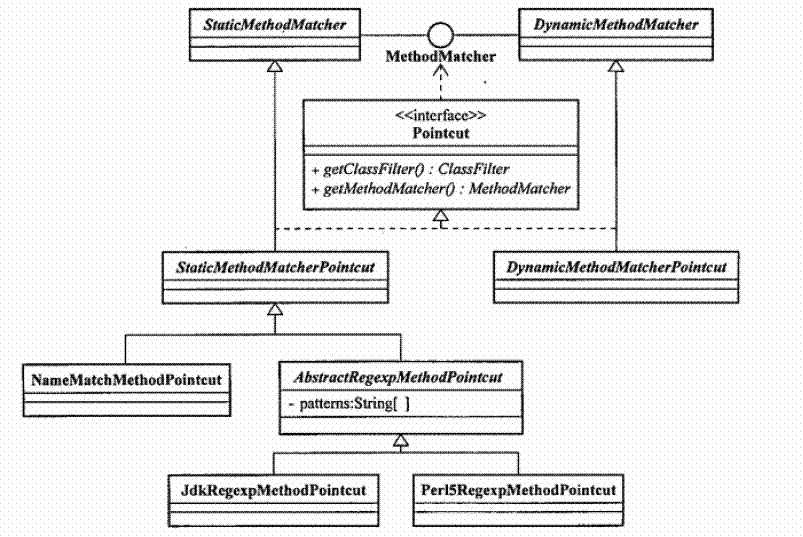
指定一个Adivce将被引发的一系列连接点的集合。AOP框架必须允许开发者指定切入点,例如,使用正则表达式。
xml中配置:
<aop:pointcut id="myPointcut" expression="execution(* com.wicresoft.app.service.impl.*.*(..))" method="release" />
或使用
Annoation :@pointcut("execution * transfer(..)")
并用一个返回值为void,方法体为空的方法来命名切入点如:
private void anyOldTransfer(){}
之后就可以在Advice中引用,如:
1@AfterReturning(pointcut="anyOldTransfer()", returning="reVal")
2
3package org.springframework.aop;
4public interface Pointcut {
5    ClassFilter getClassFilter();
6    MethodMatcher getMethodMatcher();
7    Pointcut TRUE = TruePointcut.INSTANCE;
8}
9package org.springframework.aop;
10public interface ClassFilter {
11     boolean matches(Class<?> clazz);//如果clazz与我们关注的现象相符时返回true,负责返回false
12     ClassFilter TRUE = TrueClassFilter.INSTANCE;//静态参数 如果类型对于要扑捉的Pointcut来说无所谓,可将此参数传递给Pointcut
13}
14package org.springframework.aop;
15public interface MethodMatcher {
16   boolean matches(Method method, Class<?> targetClass);
17
18 /**
19  * 是否对参数值敏感
20  * 如果为false表明匹配时不需要判断参数值(参数值不敏感),称之为StaticMethodMatcher,这时只有
21  * matches(Method method, Class<?> targetClass); 被执行,执行结果可以缓存已提高效率。
22  * 如果为true表明匹配时需要判断参数值(参数值敏感),称之为DynamicMethodMatcher,这时先执行
23  * matches(Method method, Class<?> targetClass);如果返回true,然后再执行
24  * boolean matches(Method method, Class<?> targetClass, Object[] args);已做进一步判断
25  *
26  */
27 boolean isRuntime();
28 boolean matches(Method method, Class<?> targetClass, Object[] args);
29 MethodMatcher TRUE = TrueMethodMatcher.INSTANCE;
30}
关于PointCut中使用的execution的说明:
execution(modifiers-pattern? ret-type-pattern declaring-type-pattern? name-pattern(param-pattern) throws-pattern?)
modifiers-pattern:方法的操作权限
ret-type-pattern:返回值
declaring-type-pattern:方法所在的包
name-pattern:方法名
parm-pattern:参数名
throws-pattern:异常
记忆法则就是Java定义一个方法时的样子:public boolean produceValue(int oo) throws Exception, 只要在方法名前加上包名就可以了。
其中,除ret-type-pattern和name-pattern之外,其他都是可选的。上例中,execution(* com.spring.service.*.*(..))表示com.spring.service包下,返回值为任意类型;方法名任意;参数不作限制的所有方法。
常见的PointCut结构图
通知(Advice)
在特定的连接点,AOP框架执行的动作。各种类型的通知包括“around”、“before”和“throws”通知。通知类型将在下面讨论。许多AOP框架包括Spring都是以拦截器做通知模型,维护一个“围绕”连接点的拦截器链。Advice中必须用到PointCut
在xml中配置,配置中的method为Aspect实现类中的方法名,使用pointcut自定义或pointcut-ref进行引用已有pointcut
1<aop:before pointcut="execution(* com.wicresoft.app.service.impl.*.*(..))" method="authority" />
2<aop:after pointcut="execution(* com.wicresoft.app.service.impl.*.*(..))" method="release" />
3<aop:after-returning pointcut="execution(* com.wicresoft.app.service.impl.*.*(..))" method="log" />
4<aop:around pointcut="execution(* com.wicresoft.app.service.impl.*.*(..))" method="processTx" />
5<aop:after-throwing pointcut-ref="myPointcut" method="doRecovertyActions" throwing="ex" />
或使用Annoation:
1@Before("execution(* com.wicresoft.app.service.impl.*.*(..))")
2@AfterReturning(returning="rvt", pointcut="execution(* com.wicresoft.app.service.impl.*.*(..))")
3@AfterThrowing(throwing="ex", pointcut="execution(* com.wicresoft.app.service.impl.*.*(..))")
4@After("execution(* com.wicresoft.app.service.impl.*.*(..))")
5@Around("execution(* com.wicresoft.app.service.impl.*.*(..))")
注意
- AfterReturning 增强处理处理只有在目标方法成功完成后才会被织入。
- After 增强处理不管目标方法如何结束(保存成功完成和遇到异常中止两种情况),它都会被织入。
使用方法拦截器的around通知,需实现接口MethodInterceptor:
1public interface MethodInterceptor extends Interceptor {
2    Object invoke(MethodInvocation invocation) throws Throwable;
3}
invoke()方法的MethodInvocation 参数暴露将被调用的方法、目标连接点、AOP代理和传递给被调用方法的参数。 invoke()方法应该返回调用的结果:连接点的返回值。
一个简单的MethodInterceptor实现看起来如下:
1public class DebugInterceptor implements MethodInterceptor {
2    public Object invoke(MethodInvocation invocation) throws Throwable {
3        System.out.println("Before: invocation=[" + invocation + "]");
4        Object rval = invocation.proceed();
5        System.out.println("Invocation returned");
6        return rval;
7    }
8}
注意MethodInvocation的proceed()方法的调用。这个调用会应用到目标连接点的拦截器链中的每一个拦截器。大部分拦截器会调用这个方法,并返回它的返回值。但是, 一个MethodInterceptor,和任何around通知一样,可以返回不同的值或者抛出一个异常,而不调用proceed方法。但是,没有好的原因你要这么做。
Before通知:需实现MethodBeforeAdvice接口
1public interface MethodBeforeAdvice extends BeforeAdvice {
2    void before(Method m, Object[] args, Object target) throws Throwable;
3}
Throw通知,需实现ThrowsAdvice接口
After Returning通知须直线AfterReturningAdvice接口
1public interface AfterReturningAdvice extends Advice {
2   void afterReturning(Object returnValue, Method m, Object[] args, Object target) throws Throwable;
3}
引入(Introduction)
添加方法或字段到被通知的类,引入新的接口到任何被通知的对象。例如,你可以使用一个引入使任何对象实现IsModified接口,来简化缓存。使用introduction要有三个步骤:
(1)声明新接口
(2)创建自己的IntrouductionInterceptor通过Implements IntroductionInterceptor或extends DelegatingIntroductionInterceptor 并同时implements(1)中声明的接口
(3)将新接口和自定义的IntroductionInterceptor配置到DefaultIntroductionAdvisor中,然后将前三者配置到ProxyFactoryBean中。
1public interface IOtherBean {
2    public void doOther();
3}
4
5public class SomeBeanIntroductionInterceptor implements IOtherBean, IntroductionInterceptor {
6
7    public void doOther() {
8        System.out.println("doOther!");
9    }
10
11    public Object invoke(MethodInvocation invocation) throws Throwable {
12
13        //判断调用的方法是否为指定类中的方法
14        if ( implementsInterface(invocation.getMethod().getDeclaringClass()) ) {
15            return invocation.getMethod().invoke(this, invocation.getArguments());
16        }
17
18        return invocation.proceed();
19    }
20
21    /**
22     * 判断clazz是否为给定接口IOtherBean的实现
23     */
24    public boolean implementsInterface(Class clazz) {
25
26        return clazz.isAssignableFrom(IOtherBean.class);
27    }
28}
29
30<!-- 目标对象 -->
31<bean id="someBeanTarget" class="aop.spring.introduction.SomeBeanImpl" />
32<!-- 通知 -->
33<bean id="someBeanAdvice" class="aop.spring.introduction.SomeBeanIntroductionInterceptor" />
34<!-- 通知者,只能以构造器方法注入-->
35<bean id="introductionAdvisor" class="org.springframework.aop.support.DefaultIntroductionAdvisor">
36    <constructor-arg ref="someBeanAdvice" />
37    <constructor-arg value="aop.spring.introduction.IOtherBean" />
38</bean>
39
40<!-- 代理 (将我们的切面织入到目标对象)-->
41<bean id="someBeanProxy" class="org.springframework.aop.framework.ProxyFactoryBean">
42    <!-- 若目标对象实现了代理接口,则可以提供代理接口的配置 -->
43    <property name="proxyInterfaces"  value="aop.spring.introduction.ISomeBean" />
44    <!-- 配置目标对象 -->
45    <property name="target" ref="someBeanTarget" />
46    <!-- 配置切面 -->
47    <property name="interceptorNames">
48        <list>
49            <value>introductionAdvisor</value>
50        </list>
51    </property>
52</bean>
拦截器(Advisor )
常用的有PointCutAdvisor和IntroudtionAdvisor。前者Advisor有PointCut和Advice组成,满足Poincut(指定了哪些方法需要增强),则执行相应的Advice(定义了增强的功能),后者由Introduction构成。PointCutAdvisor主要是根据PointCut中制定的Target Objects的方法在调用(前,后,around,throws, after-return等)时引入新的Aspect中的methods, 而IntroductionAdvisor主要是引入新的接口到Targets对象中。
1public interface PointcutAdvisor {
2    Pointcut getPointcut();
3    Advice getAdvice();
4}
1、PointcutAdvisor:
Advice和Pointcut,默认实现为DefaultPointcutAdvisor, 还有NameMatchMethodPointcutAdvisor,RegexpMethodPointcutAdvisor等。
其中NameMacthMethodPointCutAdvisor、RegexpMethodPointCutAdvisor 可以对比常用的PointCut类有NameMatchedMethodPointCut和JdkRegexMethodPointCut。
前者需要注入mappedName和advice属性,后者需要注入pattern和advice属性。其中mappedName和pattern是直接配置的值,而advice需要自己实现具体的advice,可见实现advisor的时候,不需要实现PointCut,一般PointCut只需要配置就好了,不需要具体实现类
mappedName指明了要拦截的方法名,pattern按照正则表达式的方法指明了要拦截的方法名,advice定义了一个增强(需要自己实 现MethodBeforeAdvice、 MethodAfterAdvice、ThrowsAdvice、MethodInterceptor接口之 一)。然后在ProxyFactoryBean的拦截器(interceptorNames)中注入这个PointCutAdvisor即可,如上面这个ProxyFactoryBean是一个静态代理,只能代理一个类给加上AOP,那么这个静态代理需要注入有目标对象,目标对象的接口,和interceptorsNames
2、 IntroductionAdvisor :
默认实现为DefaultIntroductionAdvisor,这个主要与Introduction有关,可以参考上面的例子
— 目标对象(Target Object):包含连接点的对象,也被称作被通知或被代理对象。
— AOP代理(AOP Proxy):AOP框架创建的对象,包含通知。在Spring中,AOP代理可以是JDK动态代理或CGLIB代理。如ProxyFactory,ProxyFactoryBean, 下面会进行详细说明
— 编织(Weaving):组装方面来创建一个被通知对象。这可以在编译时完成(例如使用AspectJ编译器),也可以在运行时完成。Spring和其他纯Java AOP框架一样,在运行时完成织入。将Aspect加入到程序代码的过程,对于Spring AOP,由ProxyFactory或者ProxyFactoryBean负责织入动作。
通过ProxyFactory可以将对符合条件的类调用时添加上Aspect。
或者 可使用XML声明式 ProxyFactoryBean:需要设定 target,interceptorNames(可以是Advice或者Advisor,注意顺序, 对接口代理需设置proxyInterfaces
注意:一个ProxyFactoryBean只能指定一个代理目标,不是很方便,这就产生了自动代理。通过自动代理,可以实现自动为多个目标Bean实现AOP代理、避免客户端直接访问目标Bean(即getBean返回的都是Bean的代理对象)。spring的自动代理是通过BeanPostProcessor实现的,容器载入xml配置后会修改bean为代理Bean,而id不变。
ApplicationContext可以直接检测到定义在容器中的BeanPostProcessor,BeanFactory需要手动添加。
有2种常用的BeanPostProcessor:
1.BeanNameAutoProxyCreator :
故名思议,BeanName需要注入的两个属性有BeanNames和interceptorNames
1<bean id="loginBeforeAdvisor" .../>
2<bean id="loginThrowsAdvisor" .../>
3<bean  class="org.springframework.aop.framework.autoproxy.BeanNameAutoProxyCreator">
4        <!-- 注入目标Bean -->
5        <property name="beanNames" value="*Service">
6        </property>
7        <property name="interceptorNames">
8            <list>
9                <value>loginBeforeAdvisor</value>
10                <value>loginThrowsAdvisor</value>
11            </list>
12        </property>
13</bean>
2.DefaultAdvisorAutoProxyCreator:
DefaultAdvisorAutoProxyCreator和BeanNameAutoProxyCreator不同的是,前者只和Advisor 匹配, 该类实现了BeanPostProcessor接口。当应用上下文读入所有的Bean的配置信息后,该类将扫描上下文,寻找所有的Advisor,他将这些Advisor应用到所有符合切入点的Bean中。所以下面的xml中没有绑定也无需绑定DefaultAdvisorAutoProxyCreator与Advisor的关系。
1<?xml version="1.0" encoding="UTF-8"?>
2<!DOCTYPE beans PUBLIC "-//SPRING//DTD BEAN//EN" "http://www.springframework.org/dtd/spring-beans.dtd">
3<beans>
4     <bean id="kwikEMartTarget" class="demo.ApuKwikEMart"></bean>
5     <bean id="performanceThresholdInterceptor" class="demo.advice.PerformanceThresholdInterceptor">
6          <constructor-arg>
7               <value>5000</value>
8          </constructor-arg>
9     </bean>
10     <!-- 使用RegexpMethodPointcutAdvisor来匹配切入点完成个一个Advisor; -->
11     <bean id="regexpFilterPointcutAdvisor" class="org.springframework.aop.support.RegexpMethodPointcutAdvisor">
12          <property name="pattern">
13               <!-- 匹配的名字为方法名-->
14               <value>.*buy.*</value>
15          </property>
16          <property name="advice">
17               <ref bean="performanceThresholdInterceptor"/>
18          </property>
19     </bean>
20     <bean id="defaultAdvisorAutoProxyCreator"
21     class="org.springframework.aop.framework.autoproxy.DefaultAdvisorAutoProxyCreator" />
22</beans>
在使用Aonnotation的时候,需要进行在ApplicationContext.xml中进行配置:
1<?xml version="1.0" encoding="UTF-8"?>
2<beans xmlns="http://www.springframework.org/schema/beans"
3       xmlns:xsi="http://www.w3.org/2001/XMLSchema-instance"
4       xmlns:aop="http://www.springframework.org/schema/aop"
5       xsi:schemaLocation="http://www.springframework.org/schema/beans
6           http://www.springframework.org/schema/beans/spring-beans-3.0.xsd
7           http://www.springframework.org/schema/aop
8       http://www.springframework.org/schema/beans/spring-aop-3.0.xsd">
9        <!-- 启动对@AspectJ注解的支持 -->
10        <aop:aspectj-autoproxy/>
11</beans>
综上,Spring下AOP的配置与实现,BeanNameAutoProxyCreator,DefaultAdvisorAutoProxyCreator已经部分简化了AOP配置,然而还是很繁琐: 首先要编写xxxAdvice类(需要自己实现MethodBeforeAdvice、MethodAfterAdvice、 ThrowsAdvice、MethodInterceptor接口之一),然后还要在xml中配置Advisor,还要在Advisor中注入 Advice,最后还要将Advisor加入ProxyFactoryBean、BeanNameAutoProxyCreator或者 DefaultAdvisorAutoProxyCreator中。
实际上AOP不止Spring进行了实现,还有AspectJ,后者对AOP中的概念实现比较彻底,可以看上面,而Spring中对AOP的方方面面进行简化,拿上面定义的regexpFilterPointcutAdvisor是一种Advisor包含了PointCut和Advice,而此处的PointCut就是pattern属性的值了,没有特定的PointCut Bean定义,而advice定义了Bean。而其他概念Aspect, JoinPoint都融汇于Advice的实现中即Advisor(MethodBeforeAdvice等和MethodIntector接口的实现类)或IntroductionInterceptor了。
较详细的介绍AOP http://blog.chinaunix.net/uid-21547257-id-97998.html
利用Spring Interceptor 来缓存指定方法结果:
http://www.blogjava.net/kapok/archive/2005/04/17/3388.html
Advice的类型及实现细节:
http://blog.csdn.net/saintlu/article/details/3340190
http://www.cnblogs.com/tazi/articles/2306160.html
http://blog.csdn.net/a906998248/article/details/7514969
http://sishuok.com/forum/blogPost/list/2466.html;jsessionid=AC7C2BDCBF5B19BE4327AD26D40C3CFF