
由于最近有一个统计单位时间内某key的访问次数的需求,譬如每5秒访问了redis的某key超过100次,就取出该key单独处理。
这样的单位时间统计,很明显我们都知道有个边界问题,譬如5秒内100次的限制。刚好前4.99秒访问都是0,最后0.01秒来了100次,5.01秒又来了100次。也就是访问有明显的毛刺情况出现,为了弱化这个毛刺情况,我们可以采用滑动窗口。
滑动窗口
滑动窗口的主要原理比较简单,就是将这个单位时间进行拆分,譬如5秒的统计范围,我们将它划分成5个1秒。
当请求进来时,先判断当前请求属于这5个1秒的时间片中的哪个,然后将对应的时间片对应的统计值加1,再判断当前加上前4个时间片的次数总和是否已经超过了设置的阈值。
当时间已经到达第6个时间片时,就把第一个时间片给干掉,因为无论第一片是多少个统计值,它都不会再参与后续的计算了。
就这样,随着时间的推移,统计值就随着各个时间片的滚动,不断地进行统计。
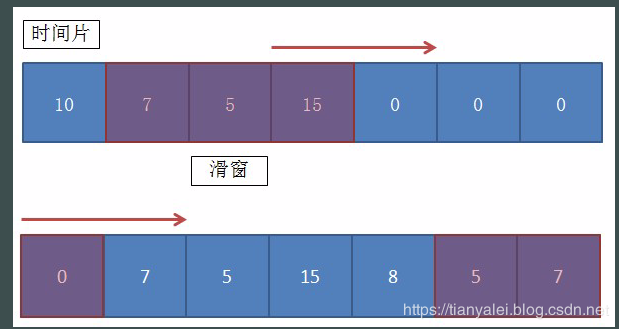
具体要将单位时间拆分为多少片,要根据实际情况来决定。当然,毫无疑问的是切分的越小,毛刺现象也越少。系统统计也越准确,随之就是内存占用会越大,因为你的这个窗口的数组会更大。
代码实现思路就是定义好分片数量,每个分片都有一个独立的计数器,所有的分片合计为一个数组。当请求来时,按照分片规则,判断请求应该划分到哪个分片中去。要判断是否超过阈值,就将前N个统计值相加,对比定义的阈值即可。
代码我直接引用别人写好的了,源代码在https://www.iteye.com/blog/go12345-1744728
1import java.util.concurrent.atomic.AtomicInteger;
2
3/**
4 * 滑动窗口。该窗口同样的key,都是单线程计算。
5 *
6 * @author wuweifeng wrote on 2019-12-04.
7 */
8public class SlidingWindow {
9    /**
10     * 循环队列,就是装多个窗口用,该数量是windowSize的2倍
11     */
12    private AtomicInteger[] timeSlices;
13    /**
14     * 队列的总长度
15     */
16    private int timeSliceSize;
17    /**
18     * 每个时间片的时长,以毫秒为单位
19     */
20    private int timeMillisPerSlice;
21    /**
22     * 共有多少个时间片(即窗口长度)
23     */
24    private int windowSize;
25    /**
26     * 在一个完整窗口期内允许通过的最大阈值
27     */
28    private int threshold;
29    /**
30     * 该滑窗的起始创建时间,也就是第一个数据
31     */
32    private long beginTimestamp;
33    /**
34     * 最后一个数据的时间戳
35     */
36    private long lastAddTimestamp;
37
38    public static void main(String[] args) {
39        //1秒一个时间片,窗口共5个
40        SlidingWindow window = new SlidingWindow(100, 4, 8);
41        for (int i = 0; i < 100; i++) {
42            System.out.println(window.addCount(2));
43
44            window.print();
45            System.out.println("--------------------------");
46            try {
47                Thread.sleep(102);
48            } catch (InterruptedException e) {
49                e.printStackTrace();
50            }
51        }
52    }
53
54    public SlidingWindow(int duration, int threshold) {
55        //超过10分钟的按10分钟
56        if (duration > 600) {
57            duration = 600;
58        }
59        //要求5秒内探测出来的,
60        if (duration <= 5) {
61            this.windowSize = 5;
62            this.timeMillisPerSlice = duration * 200;
63        } else {
64            this.windowSize = 10;
65            this.timeMillisPerSlice = duration * 100;
66        }
67        this.threshold = threshold;
68        // 保证存储在至少两个window
69        this.timeSliceSize = windowSize * 2;
70
71        reset();
72    }
73
74    public SlidingWindow(int timeMillisPerSlice, int windowSize, int threshold) {
75        this.timeMillisPerSlice = timeMillisPerSlice;
76        this.windowSize = windowSize;
77        this.threshold = threshold;
78        // 保证存储在至少两个window
79        this.timeSliceSize = windowSize * 2;
80
81        reset();
82    }
83
84    /**
85     * 初始化
86     */
87    private void reset() {
88        beginTimestamp = SystemClock.now();
89        //窗口个数
90        AtomicInteger[] localTimeSlices = new AtomicInteger[timeSliceSize];
91        for (int i = 0; i < timeSliceSize; i++) {
92            localTimeSlices[i] = new AtomicInteger(0);
93        }
94        timeSlices = localTimeSlices;
95    }
96
97    private void print() {
98        for (AtomicInteger integer : timeSlices) {
99            System.out.print(integer + "-");
100        }
101    }
102
103    /**
104     * 计算当前所在的时间片的位置
105     */
106    private int locationIndex() {
107        long now = SystemClock.now();
108        //如果当前的key已经超出一整个时间片了,那么就直接初始化就行了,不用去计算了
109        if (now - lastAddTimestamp > timeMillisPerSlice * windowSize) {
110            reset();
111        }
112
113        return (int) (((now - beginTimestamp) / timeMillisPerSlice) % timeSliceSize);
114    }
115
116    /**
117     * 增加count个数量
118     */
119    public boolean addCount(int count) {
120        //当前自己所在的位置,是哪个小时间窗
121        int index = locationIndex();
122//        System.out.println("index:" + index);
123        //然后清空自己前面windowSize到2*windowSize之间的数据格的数据
124        //譬如1秒分4个窗口,那么数组共计8个窗口
125        //当前index为5时,就清空6、7、8、1。然后把2、3、4、5的加起来就是该窗口内的总和
126        clearFromIndex(index);
127
128        int sum = 0;
129        // 在当前时间片里继续+1
130        sum += timeSlices[index].addAndGet(count);
131        //加上前面几个时间片
132        for (int i = 1; i < windowSize; i++) {
133            sum += timeSlices[(index - i + timeSliceSize) % timeSliceSize].get();
134        }
135        System.out.println(sum + "---" + threshold);
136
137        lastAddTimestamp = SystemClock.now();
138
139        return sum >= threshold;
140    }
141
142    private void clearFromIndex(int index) {
143        for (int i = 1; i <= windowSize; i++) {
144            int j = index + i;
145            if (j >= windowSize * 2) {
146                j -= windowSize * 2;
147            }
148            timeSlices[j].set(0);
149        }
150    }
151
152}
153
154
155import java.util.concurrent.Executors;
156import java.util.concurrent.ScheduledExecutorService;
157import java.util.concurrent.ThreadFactory;
158import java.util.concurrent.TimeUnit;
159import java.util.concurrent.atomic.AtomicLong;
160
161/**
162 * 用于解决高并发下System.currentTimeMillis卡顿
163 * @author lry
164 */
165public class SystemClock {
166
167    private final int period;
168
169    private final AtomicLong now;
170
171    private static class InstanceHolder {
172        private static final SystemClock INSTANCE = new SystemClock(1);
173    }
174
175    private SystemClock(int period) {
176        this.period = period;
177        this.now = new AtomicLong(System.currentTimeMillis());
178        scheduleClockUpdating();
179    }
180
181    private static SystemClock instance() {
182        return InstanceHolder.INSTANCE;
183    }
184
185    private void scheduleClockUpdating() {
186        ScheduledExecutorService scheduler = Executors.newSingleThreadScheduledExecutor(new ThreadFactory() {
187            @Override
188            public Thread newThread(Runnable runnable) {
189                Thread thread = new Thread(runnable, "System Clock");
190                thread.setDaemon(true);
191                return thread;
192            }
193        });
194        scheduler.scheduleAtFixedRate(() -> now.set(System.currentTimeMillis()), period, period, TimeUnit.MILLISECONDS);
195    }
196
197    private long currentTimeMillis() {
198        return now.get();
199    }
200
201    /**
202     * 用来替换原来的System.currentTimeMillis()
203     */
204    public static long now() {
205        return instance().currentTimeMillis();
206    }
207}
参照代码main方法,通过修改每个时间片的时间,窗口数量,阈值,来进行测试。
这就是简单实现了。