
树是一种数据结构,该章节讨论二叉树(二叉树的每个节点的子节点不允许超过两个),二叉树中有又分为完全二叉树和不完全二叉树.....
不在本章节赘述相关概念,感兴趣可以去查阅《数据结构》。
你将会获得:
1.如何使用js实现二叉查找树。
2.学会前、中、后序遍历。
3.了解相关实现原理
阅读时长>5min,可选择直接调试代码
特点
二叉查找树中序遍历后,得到的增序的排列方式。
预览
以下封装的二叉查找树,包含了查找方法
1function Node(data, left, right) {
2  this.data = data;
3  this.left = left;
4  this.right = right;
5
6}
7Node.prototype.show = function() {
8  return this.data;
9}
10
11
12function BST() {
13  this.root = null;
14}
15BST.prototype.insert = function (data) {
16  var n = new Node(data, null, null);
17  if (this.root == null) {
18    this.root = n;
19  } else {
20    var current = this.root;
21    var parent;
22    while (true) {
23      parent = current;
24      if (data < current.data) {
25        current = current.left;
26        if (current == null) {
27          parent.left = n;
28          break;
29        }
30      } else {
31        current = current.right;
32        if (current == null) {
33          parent.right = n;
34          break;
35        }
36      }
37    }
38  }
39}
40
41BST.prototype.inOrder = function(node) {
42  //  中序遍历
43  if (!(node == null)) {
44    inOrder(node.left);
45    console.log(node.show() + "");
46    inOrder(node.right);
47  }
48}
49
50BST.prototype.preOrder = function(node) {
51  //  先序
52  if (!(node == null)) {
53    console.log(node.show() + "");
54    preOrder(node.left);
55    preOrder(node.right);
56  }
57}
58
59BST.prototype.postOrder = function(node) {
60  //  先序
61  if (!(node == null)) {
62    postOrder(node.left);
63    postOrder(node.right);
64    console.log(node.show() + "");
65  }
66}
67
68//  查找最小值
69
70BST.prototype.getMin = function() {
71  var current = this.root;
72  while (current.left !== null) {
73    current = current.left;
74  }
75  return current.data;
76}
77
78//  查找最大值
79
80BST.prototype.getMax = function() {
81  var current = this.root;
82  while (current.right !== null) {
83    current = current.right;
84  }
85  return current.data;
86}
87
88//  查找给定值
89BST.prototype.find = function(data) {
90  var current = this.root;
91  while (current != null) {
92    if (current.data == data) {
93      return current;
94    } else if (data < current.data) {
95      current = current.left;
96    } else if (data > current.data) {
97      current = current.right;
98    }
99  }
100  return null;
101}
102
103
104
105BST.prototype.remove = function(data) {
106
107  this.root = this.removeNode(this.root, data);
108  console.log(this.root,1)
109}
110
111BST.prototype.removeNode = function(node, data) {
112  if (node == null) {
113    return null;
114  }
115  if (data == node.data) {
116    // 没有子节点的节点
117    if (node.left == null && node.right == null) {
118      return null;
119    }
120    // 没有左子节点的节点
121    if (node.left == null) {
122      return node.right;
123    }
124    // 没有右子节点的节点
125    if (node.right == null) {
126      return node.left;
127    }
128    //  查找最小节点
129    let getSmallest = function(node) {
130      if (node.left === null && node.right == null) {
131          return node;
132      }
133      if (node.left != null) {
134          return node.left;
135      }
136      if (node.right !== null) {
137          return getSmallest(node.right);
138      }
139
140  }
141    // 有两个子节点的节点
142    var tempNode = getSmallest(node.right);
143    node.data = tempNode.data;
144    node.right = this.removeNode(node.right, tempNode.data);
145    return node;
146  } else if (data < node.data) {
147    node.left = this.removeNode(node.left, data);
148    return node;
149  } else {
150    node.right = this.removeNode(node.right, data);
151    return node;
152  }
153}
中序排列
1var nums = new BST();
2nums.insert(23);
3nums.insert(45);
4nums.insert(16);
5nums.insert(37);
6nums.insert(3);
7nums.insert(99);
8nums.insert(22);
9console.log("Inorder traversal: ");
10nums.inOrder(nums.root);
11
12> Inorder traversal:
13> 3 16 22 23 37 45 99 // 增序
1.实现
二叉查找树是一种特殊的二叉树,相对较小的值保存在左节点中,较大的值保存在右节点。这一特性使得查找效率很高,对于数值型和非数值型的数据,比如单词和字符串都是如此。
1// 节点
2function Node(data, left, right) {
3  this.data = data;
4  this.left = left;
5  this.right = right;
6  this.show = show;
7}
8Node.prototype.show = function() {
9  return this.data;
10}
1.1创建BST类
BST 先要有一个 insert() 方法,用来向树中加入新节点。
首先要创建一个 Node 对象,将数据传入该对象保存。其次检查 BST 是否有根节点,如果没有,那么这是棵新树,该节点就是根节点,这个方法 到此也就完成了;否则,进入下一步。如果待插入节点不是根节点,那么就需要准备遍历 BST,找到插入的适当位置。该过程类 似于遍历链表。用一个变量存储当前节点,一层层地遍历 BST。进入 BST 以后,下一步就要决定将节点放在哪个地方。找到正确的插入点时,会跳出循 环。查找正确插入点的算法如下。
(1) 设根节点为当前节点。 (2) 如果待插入节点保存的数据小于当前节点,则设新的当前节点为原节点的左节点;反 之,执行第 4 步。 (3) 如果当前节点的左节点为 null,就将新的节点插入这个位置,退出循环;反之,继续 执行下一次循环。 (4) 设新的当前节点为原节点的右节点。 (5) 如果当前节点的右节点为 null,就将新的节点插入这个位置,退出循环;反之,继续 执行下一次循环。
1function Node(data, left, right) {
2  this.data = data;
3  this.left = left;
4  this.right = right;
5
6}
7Node.prototype.show = function() {
8  return this.data;
9}
10
11
12function BST() {
13  this.root = null;
14}
15BST.prototype.insert = function (data) {
16  var n = new Node(data, null, null);
17  if (this.root == null) {
18    this.root = n;
19  } else {
20    var current = this.root;
21    var parent;
22    while (true) {
23      parent = current;
24      if (data < current.data) {
25        current = current.left;
26        if (current == null) {
27          parent.left = n;
28          break;
29        }
30      } else {
31        current = current.right;
32        if (current == null) {
33          parent.right = n;
34          break;
35        }
36      }
37    }
38  }
39}
以上是最主要的,二叉查找树的js实现,其他方法简单描述一下
中序:就是先访问左子节点-->根节点-->右子节点
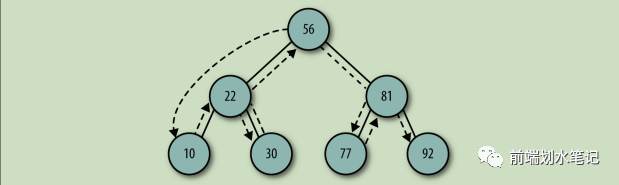
先序: 就是先访问根节点再访问子节点
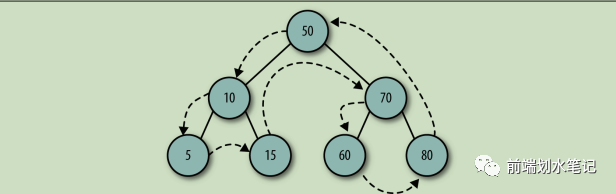
后序:最后访问根节点
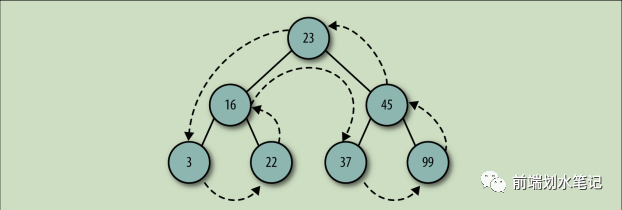
删除二叉树节点:
删除节点主要分为,叶子节点,有左节点,有右节点,有两个子节点;
思路就是:
-
找到要删除节点,判断是否含有子节点。
-
如果没有子节点,便将该节点的值置为null。
2.1 有左/右节点,被删节点指向子节点。
2.2 含左右节点:
- (1)查找待删节点的左子树的最大值
- (2)查找待删节点的右子树的最小值
将待删节点的值替换成以上(1)/(2)的值
以下选的是(2)方案
1BST.prototype.remove = function(data) {
2  //  最后改变根节点值
3  this.root = this.removeNode(this.root, data);
4}
5//  返回的是node类型
6BST.prototype.removeNode = function(node, data) {
7  if (node == null) {
8    return null;
9  }
10  if (data == node.data) {
11    // 没有子节点的节点
12    if (node.left == null && node.right == null) {
13      return null;
14    }
15    // 没有左子节点的节点
16    if (node.left == null) {
17      return node.right;
18    }
19    // 没有右子节点的节点
20    if (node.right == null) {
21      return node.left;
22    }
23    //  查找最小节点
24    let getSmallest = function(node) {
25      if (node.left === null && node.right == null) {
26          return node;
27      }
28      if (node.left != null) {
29          return node.left;
30      }
31      if (node.right !== null) {
32          return getSmallest(node.right);
33      }
34
35  }
36    // 有两个子节点的节点
37    var tempNode = getSmallest(node.right);
38    node.data = tempNode.data;
39    //  处理待删节点的右子树
40    node.right = this.removeNode(node.right, tempNode.data);
41    return node;
42  } else if (data < node.data) {
43    node.left = this.removeNode(node.left, data);
44    return node;
45  } else {
46    node.right = this.removeNode(node.right, data);
47    return node;
48  }
49}
欢迎关注《前端划水笔记》