
原文链接:https://note.noxussj.top/?source=helloworld
什么是链表?
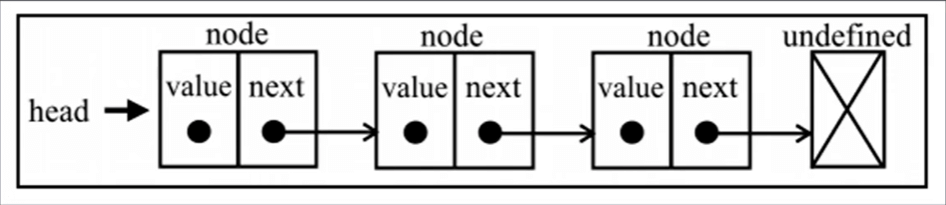
链表是有序的数据结构,链表中的每个部分称为节点。可以首、尾、中间进行数据存取,链表的元素在内存中不必是连续的空间,每个节点通过 next 指针指向下一个节点。
优点
链表的添加和删除不会导致其余元素位移。
缺点
无法根据索引快速定位元素。
数组和链表区别
- 获取、修改元素时,数组效率高
- 添加、删除元素时,链表效率高
- 数组添加、移除会导致后续元素位移,性能开销大
环形链表
指的是链表最后一个节点的 next 指向第一个节点,形成首尾相连的循环结构。
链表环路检测
解题思路
- 快慢指针法实现
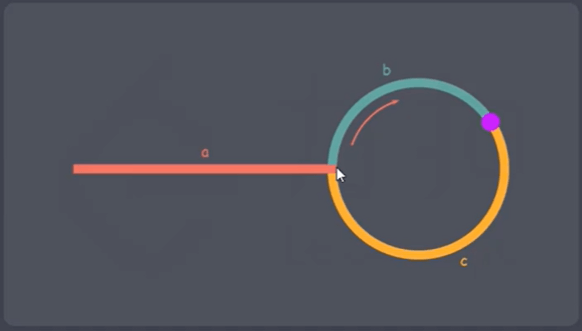
- slow 指针每次移动一位,fast 指针每次移动两位,如果他们相遇则说明链表存在环
- 新指针 ptr 从 head 开始移动,与 slow 相遇的位置即为环的起点
- 由 fast 指针移动距离为 slow 的两倍可得出公式: a + (nb + nc + b) = 2(a + b)
- 变化处理后得到新公式: a = (n - 1)(b + c) + c
实现功能
在 JavaScript 中没有链表,我们可以通过模拟一个类或者是通过 Object 实现链表的所有功能。
节点类
- value 当前节点值
- next 指向下一个节点
链表类
- addAtTail 尾部添加节点
- addAtHead 头部添加节点
- addAtIndex () 指定位置添加节点
- get 获取节点
- removeAtIndex () 删除指定节点
应用场景
- leetcode 两数相加
基础案例
通过对象实现
1// 链表
2let a = { val: 'a', next: null }
3let b = { val: 'b', next: null }
4let c = { val: 'c', next: null }
5let d = { val: 'd', next: null }
6
7a.next = b
8b.next = c
9c.next = d
10
11// 尾部添加节点
12let e = { val: 'e', next: null }
13d.next = e
14
15// 头部添加节点
16let z = { val: 'z', next: null }
17z.next = a
18a = z
19
20// 指定位置添加节点
21let f = { val: 'f', next: null }
22c.next = f
23f.next = d
24
25// 删除指定节点
26d.next = null
通过类模拟实现
1/**
2 * 节点类
3 */
4class Node {
5    constructor(value) {
6        this.value = value
7        this.next = null
8    }
9}
10
11/**
12 * 链表类
13 */
14class Link {
15    constructor() {
16        this.head = null
17        this.count = 0
18    }
19
20    /**
21     * 尾部添加节点
22     */
23    addAtTail(item) {
24        if (this.count === 0) {
25            this.head = new Node(item)
26
27            this.count++
28
29            return this.head
30        }
31
32        let endNode = this.head
33
34        while (endNode.next) {
35            endNode = endNode.next
36        }
37
38        endNode.next = new Node(item)
39
40        this.count++
41
42        return item
43    }
44
45    /**
46     * 头部添加节点
47     */
48    addAtHead(item) {
49        if (this.head) {
50            const oldHead = this.head
51
52            this.head = new Node(item)
53            this.head.next = oldHead
54        } else {
55            this.head = new Node(item)
56        }
57
58        this.count++
59
60        return item
61    }
62
63    /**
64     * 指定位置添加节点
65     */
66    addAtIndex(index, item) {
67        if (this.isInvalidIndex(index) || !this.head) {
68            return -1
69        }
70
71        if (index === 0) {
72            this.addAtHead(item)
73
74            return item
75        }
76
77        let prev = this.head
78
79        while (index > 0) {
80            index--
81        }
82
83        const next = prev.next
84
85        const cur = new Node(item)
86
87        prev.next = cur
88        cur.next = next
89
90        this.count++
91
92        return item
93    }
94
95    /**
96     * 获取节点
97     */
98    get(index) {
99        if (this.isInvalidIndex(index) || !this.head) {
100            return -1
101        }
102
103        let cur = this.head
104
105        while (index > 0) {
106            cur = cur.next
107
108            index--
109        }
110
111        return cur
112    }
113
114    /**
115     * 删除指定节点
116     */
117    removeAtIndex(index) {
118        if (this.isInvalidIndex(index) || !this.head) {
119            return -1
120        }
121
122        if (index === 0) {
123            const oldHead = this.head
124            this.head = this.head.next
125
126            this.count--
127
128            return oldHead
129        }
130
131        let prev = this.head
132
133        while (index - 1 > 0) {
134            prev = prev.next
135
136            index--
137        }
138
139        const cur = prev.next
140
141        prev.next = cur.next
142
143        this.count--
144
145        return cur
146    }
147
148    /**
149     * 判断index是否为空,是否超出数据长度大小
150     */
151    isInvalidIndex(index) {
152        if (index === '' || index === null || index === undefined || index < 0 || index > this.count - 1) {
153            return true
154        }
155
156        return false
157    }
158}
159
160const link = new Link()
161
162link.addAtTail('a')
163link.addAtTail('b')
164link.addAtTail('c')